

Natural Oral Rinse for Pet Gum Health: A 2026 Guide
Table of Contents
- Why Pet Gum Health Deserves a Daily Routine
- Dog Gum Disease Symptoms You Should Not Ignore
- How a Natural Oral Rinse for Pet Gum Health Works
- Building a Dog Dental Care Routine That Sticks
- Choosing an Oral Rinse for Dogs: What to Look For
- How to Apply a Rinse: A Step-by-Step Protocol
- When Veterinary Dental Cleaning Is the Right Call
- Conclusion: Rinses Support, Vets Diagnose
- Frequently Asked Questions
Last Updated: October 9, 2026
Why Pet Gum Health Deserves a Daily Routine
Most pet owners brush their dog's teeth when they remember. A natural oral rinse for pet gum health works best as a daily habit.
Gum problems rarely announce themselves. They build quietly under the gumline while your dog keeps eating normally. By the time you notice bad breath or bleeding, the issue has often been developing for a while.
That is why routine matters more than intensity. A short daily step beats a long weekly one.
- Gum disease is one of the most common issues vets see in adult dogs
- Small breeds and flat-faced breeds tend to be at higher risk
- Home care supports gum health but does not replace exams
Dog Gum Disease Symptoms You Should Not Ignore
Dog gum disease symptoms usually start small: redness along the gumline, a little tartar, and breath that smells off. Catch them early and home care helps more. Miss them and the problem moves deeper.
Early Warning Signs at Home
Watch for these during your normal routine:
- Bad breath that returns soon after cleaning
- Red or swollen gums along the tooth line
- Yellow-brown tartar near the gumline
When Symptoms Point to a Veterinary Visit
Some signs mean it is time to call your vet, not just step up home care. Loose teeth, bleeding gums, visible pus, or a dog that stops eating need professional attention.
According to the American Veterinary Medical Association's pet dental care guidance, regular veterinary dental exams are a core part of preventive care for dogs and cats. Home rinses support that care; they do not replace it.
How a Natural Oral Rinse for Pet Gum Health Works
A natural oral rinse for pet gum health flushes the mouth and reduces bacteria on teeth and gums, reaching spots a toothbrush misses, especially along the gumline and between teeth.
Salt-based rinses have been used for gentle oral care for a long time. SoSalt Pet1 uses the purest grains of sea salt, extracted from deep within a cave so the salt stays unspoiled by the elements, and comes with an open syringe for easy dosing.

Building a Dog Dental Care Routine That Sticks
A dog dental care routine only works if you can keep it up. Five calm minutes a day beats a stressful twenty-minute weekly session, so start with what your dog tolerates best and add more as they adjust.
- Begin with a quick gum check and a rinse
- Add brushing on the days your dog is calmest
- Keep sessions short and reward right after
A Simple Weekly Schedule
| Day | Focus | Time |
|---|---|---|
| Monday | Rinse and gum check | 2-3 min |
| Tuesday | Rinse plus brushing | 3-5 min |
| Wednesday | Rinse and gum check | 2-3 min |
| Thursday | Rinse plus brushing | 3-5 min |
| Friday | Rinse and gum check | 2-3 min |
| Saturday | Rinse plus brushing | 3-5 min |
| Sunday | Rinse and full mouth look | 3-5 min |
This plan keeps care gentle and steady without overwhelming you or your dog.
Choosing an Oral Rinse for Dogs: What to Look For
An oral rinse for dogs and cats should be simple, alcohol free, and easy to dose, one that fits your pet's size, temperament, and routine, and that you can actually keep using.
Look for these qualities:
- Alcohol free formula so it does not sting tender gums
- Simple, clean ingredients you can actually read
- Easy dosing, like a syringe, so you apply the right amount
A common mistake is grabbing a human mouthwash for a pet; many contain alcohol or sweeteners that do not belong in a pet's mouth. SoSalt Pet1 and Pet2 are made for exactly this: Pet1 gives you 7 individual doses with an open syringe, Pet2 gives you 14, both alcohol free.

What Rinses Can and Cannot Do
A rinse is a support tool, not a treatment.
What a rinse can reasonably support:
- Reducing surface bacteria along the gumline between brushings
- Flushing away loose food debris and soft plaque
- Freshening breath as part of a daily routine
What a rinse cannot do:
- Remove hardened tartar, which needs a professional scaling
- Treat infection that has moved under the gumline
- Reverse periodontal disease once bone loss has started
Owners often see better breath and gum color within a few weeks of consistent home care, but underlying disease continues without professional treatment. Rinses and exams are partners, not substitutes.
Species and Age Notes Before You Buy
- Cats: Need a smaller dose and slower application. A rinse that works for a 60 lb dog is not dosed for a 10 lb cat.
- Small dogs: Match the dose to body size, not convenience.
- Puppies and kittens: Wait until adult teeth are in and gums are no longer tender from teething.
Measuring Outcomes Over Time
You cannot tell whether a rinse is helping from a single session. Track it over weeks. A simple weekly check works:
| What to check | How to check | What to note |
|---|---|---|
| Breath | Smell at a consistent distance, same time of day | Better, same, or worse than last week |
| Gum color | Lift the lip in good light | Pink and firm vs. red, swollen, or bleeding |
| Plaque | Look at the tooth surface near the gumline | Visible buildup increasing or stable |
| Comfort | Watch eating, chewing, and pawing at the mouth | Any change in how your pet eats |
| Routine adherence | Count sessions completed this week | Aim for daily; note missed days |
Keep the notes short. The point is a pattern you can show your vet at the next exam. If breath, gum color, or comfort get worse over two to three weeks despite consistent care, book a visit rather than push harder at home.
How to Apply a Rinse: A Step-by-Step Protocol
Applying a rinse is quick once you have a routine. Stay calm, move slowly, and keep each step short. The protocol below covers species-specific handling, a gradual acclimation plan, and safety limits on swallowing.
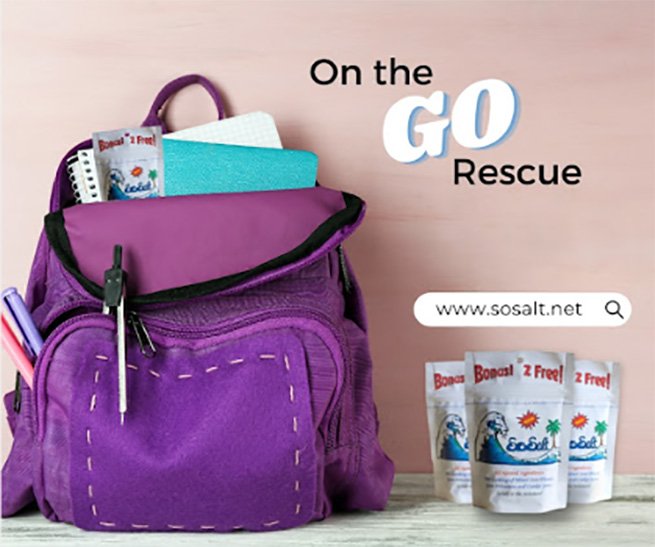
What You'll Need:
- SoSalt pet rinse with the included syringe
- A calm, quiet space with no other pets nearby
- A towel or a helper for wiggly pets
Step 1: Prepare the Space and the Dose
Wash your hands. Settle your pet on a non-slip surface at a comfortable height, a low table for a small dog or cat, the floor for a large dog. Draw the dose into the open syringe before touching your pet's face, so you are not fumbling while they wait.
Step 2: Acclimate Before You Apply
Do not start with a full dose on day one. A pattern that works well:
- Days 1-3: Let your pet lick a tiny amount off the syringe tip. Reward. End the session.
- Days 4-7: Lift the lip for two seconds, touch the syringe to the gumline without pressing, reward, release.
- Week 2 onward: Apply a partial dose along one side of the mouth, reward, then the other side.
Skipping acclimation is the most common reason owners give up on a rinse routine. A pet that associates the syringe with a struggle will resist every future session.
Step 3: Apply Along the Gumline
- Wash your hands and get your pet settled. [Time: 1 minute]
- Draw the dose into the open syringe. [Time: 30 seconds]
- Lift the lip gently and slide the syringe tip along the gumline, aiming the tip at the pocket where the gum meets the tooth. [Time: 1 minute]
- Press slowly to release the rinse along the gums. Work from back to front on one side, then the other. [Time: 1 minute]
- Let your pet swallow the small amount that remains. [Time: 30 seconds]
- Reward right away so the routine stays positive. [Time: 30 seconds]
Expected Result: Cleaner gums, fresher breath, and a pet that tolerates the routine more easily each time.
Species and Age Adjustments
The same protocol does not fit every pet. Adjust like this:
- Cats: Use a smaller dose and slower release. Cats bolt if the syringe touches the back of the mouth, so aim for the gumline along the cheek teeth and stop before they pull away. Never scruff a cat to hold them still for a rinse.
- Small dogs (under 20 lb): Use a smaller dose and shorter syringe travel. A full large-dog dose can overwhelm them.
- Large dogs: The standard dose applies. You may need a helper to keep the head steady without restraining the neck.
Safety Limits: Swallowing, Aspiration, and When to Stop
A rinse is not a beverage. The goal is a thin film along the gums, not a mouthful your pet drinks.
- Keep the dose small. A few drops per side is enough for most pets. More is not better.
- Do not tilt the head back. Tilting a pet's head back during a rinse raises the risk of liquid going into the airway instead of down the throat. Keep the head level or slightly down.
- Watch for coughing, gagging, or sneezing. If any of these happen, stop the session, let your pet recover, and try again another day with a smaller amount.
Troubleshooting Common Problems
- Pet runs away when they see the syringe: Go back to the lick-and-reward step for a week. Do not chase.
- Pet clamps the mouth shut: Apply to the outside of the gumline along the cheek, where you can reach without prying. Reward and end the session.
- Pet drools heavily or foams: Some drooling is normal. Heavy foaming usually means the dose is too large or the release too fast.
When Veterinary Dental Cleaning Is the Right Call
A veterinary dental cleaning is the right call when home care is not enough. Hardened tartar, bleeding gums, loose teeth, or ongoing bad breath all point to a professional visit.
Watch for these red flags:
- Bleeding gums that do not improve
- Loose or missing teeth
- Pus or a foul smell from the mouth
If you see any of these, book a visit. The American Veterinary Dental College's guidance on periodontal disease notes that periodontal disease is progressive and needs professional treatment once it takes hold.
Conclusion: Rinses Support, Vets Diagnose
Rinses support gum health. Vets diagnose and treat disease. Keeping those roles clear is the key to a routine that helps your dog. The best plan pairs daily home care with regular professional exams. SoSalt Pet1 and Pet2 give you an alcohol-free salt rinse with easy dosing, made from the purest grains of sea salt, trusted since 2004. Ask your veterinarian for the final OK, then build the habit one calm session at a time.
Frequently Asked Questions
Can a salt rinse help support a dog's gum health?
A salt-based rinse can help rinse away food particles and bacteria that contribute to plaque buildup on the gums. SoSalt Pet1 and SoSalt Pet2 use pure sea salt grains to help kill germs and bacteria, supporting oral hygiene between brushings. It is not a replacement for veterinary care, so ask your veterinarian for final approval before starting any rinse, especially after a tooth extraction.
How should I use an oral rinse for my pet?
SoSalt Pet1 includes seven individual doses with an open syringe; SoSalt Pet2 includes 14 doses. Apply the rinse gently along the gum line, aiming for the outer surfaces of the teeth where plaque collects. Keep sessions short and calm, and offer praise afterward. Use it as part of a dog dental care routine that also includes brushing and regular veterinary checkups, not as a standalone fix.
When should I take my dog to a veterinarian for gum problems?
Schedule a visit if you notice persistent bad breath, red or swollen gums, bleeding while brushing, loose teeth, or your dog dropping food while eating. These are dog gum disease symptoms that a rinse cannot reverse. A veterinary dental cleaning can remove tartar below the gum line, something no at-home rinse reaches. Early treatment prevents periodontal disease from progressing.
What kills gum disease naturally in pets?
No at-home remedy cures established gum disease; only a veterinary dental cleaning removes tartar and treats infection below the gum line. A natural oral rinse for pet gum health, such as a salt-based rinse, can help reduce surface bacteria and support healthy gums between professional cleanings. Pair it with consistent brushing and veterinary checkups for the best results.
Most pet owners want to protect their dog's gums but are not sure where to start. SoSalt makes that first step easy with an alcohol-free salt rinse built for pet oral care, dosed with a simple open syringe. Our pet formulas help kill germs and bacteria, control and reduce infections, and give you a clean rinse you can trust. Get started with SoSalt and give your dog a gentler daily gum care routine.