

Natural Oral Rinse for Gums: Best Options in 2026
Table of Contents
- Why Natural Oral Rinse for Gums Beats Alcohol-Based Products
- Benefits of Sea Salt for Gums: What the Minerals Actually Do
- How to Use Salt Rinse for Oral Care: Step-by-Step
- Best Natural Mouthwash for Braces: What to Look For
- SoSalt Products for Gum Health and Oral Healing
- Safety, Storage, and Who Should Avoid Salt Rinses
- Conclusion: Building a Daily Gum Care Routine with Natural Rinse
- Frequently Asked Questions
Last Updated: October 2, 2026
Why Natural Oral Rinse for Gums Beats Alcohol-Based Products
A natural oral rinse for gums is a salt-based solution that cleans and disinfects the mouth without alcohol, harsh additives, or iodine. At SoSalt, we've watched this category shift because so many people with braces, piercings, and sensitive gums can't tolerate the burn of conventional rinses.
Here's the problem most guides skip: the ingredient that makes conventional mouthwash feel "clean" is often the one irritating your gums in the first place.
What Alcohol Rinses Do to Gum Tissue
Alcohol-based rinses kill bacteria fast. They also strip moisture from gingival tissue, and dry tissue is easier to irritate. The American Dental Association's guidance on mouthrinse ingredients notes that alcohol content is a common reason patients report burning and discomfort.
If your gums already feel raw from wires, sores, or brushing, adding alcohol is like scrubbing a scrape.
The Case for Sea Salt as Your Primary Ingredient
Sea salt is the rare ingredient that's both gentle and effective. It creates an environment where bacteria struggle to grow, and it soothes gum inflammation rather than aggravating it. Unlike alcohol, salt doesn't dry out tissue. That difference matters when you're rinsing several times a day.
Benefits of Sea Salt for Gums: What the Minerals Actually Do
Sea salt supports gum health because it draws out fluid from swollen tissue, eases gum inflammation, and helps reduce bacterial growth along the gumline. It's an antimicrobial and anti-inflammatory rinse in one, which is why it shows up in so many oral care routines.
What the minerals do, practically:
- Reduce swelling in gum tissue irritated by braces, retainers, or flossing
- Support the oral microbiome instead of wiping it out
- Loosen plaque buildup so brushing and water picks work better
- Soothe canker sores and small abrasions from wires
A common mistake is treating salt as a one-time fix. Gum care is cumulative. Rinsing consistently does more than rinsing hard once.
How to Use Salt Rinse for Oral Care: Step-by-Step
Using a salt rinse for oral care takes about 30 seconds and works two ways: gargle and spit, or through a water pick for deeper cleaning. The technique matters as much as the ingredient.
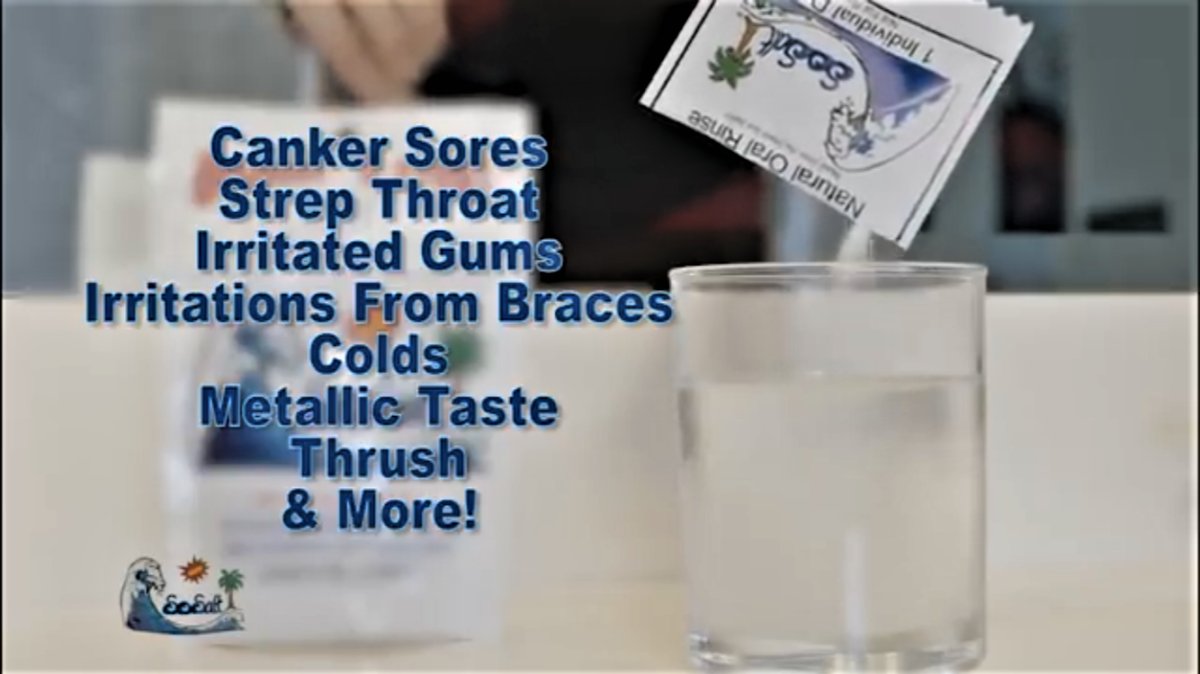
Gargle and Spit Method
- Dissolve one pre-measured dose of salt in warm water. Warm, not hot. Hot water is harsh on already-inflamed gum tissue and can make soreness worse.
- Swish the solution around your mouth for a full 30 seconds, focusing on the gumline where the teeth meet the tissue. That seam is where plaque and bacteria accumulate first.
- Gargle gently at the back of the throat if you have a sore throat. Keep the gargle soft; aggressive gargling can tire the jaw and irritate the soft palate.
- Spit it out. Do not swallow. The rinse is doing its work on contact, swallowing adds sodium you don't need.
- Repeat up to three times daily. Morning, after meals, and before bed is a common pattern. Consistency beats intensity.
Water Pick Method for Deeper Cleaning
- Pour two doses into your water pick reservoir.
- Stir until the salt fully dissolves. Undissolved crystals can clog the nozzle and deliver an uneven stream.
- Set the pressure to low if your gums are sore. Start low even if your gums feel fine, you can always increase on the next session.
- Trace the gumline slowly, pausing at irritated areas. Aim the stream at a 45-degree angle toward the gumline rather than straight at the tooth.
- Empty and rinse the reservoir after each use. Standing solution in a warm reservoir is a place bacteria like to settle.
Timing and Frequency
Two to three rinses per day is often recommended for gum irritation. If you wear braces or a retainer, rinsing after you remove the appliance and again before bed covers the two highest-risk windows for plaque buildup.
Common Mistakes to Avoid
- Rinsing instead of brushing. A salt rinse supports brushing and flossing, it doesn't replace them.
- Skipping the gumline. The gumline is the target. Swishing around the front teeth only misses the area that needs it most.
- Reusing a mixed batch. Mix fresh each time. A batch sitting in a cup for a day loses its edge and can pick up bacteria.
- Rinsing right after brushing. Some toothpastes leave a protective film; give it a few minutes before rinsing.
Don't mix a stronger batch thinking it will heal faster. Overly concentrated salt water can irritate gum tissue and make soreness worse, not better.
Best Natural Mouthwash for Braces: What to Look For
The best natural mouthwash for braces is alcohol-free, pre-measured, and gentle enough for daily use around brackets and wires. Braces trap food and plaque, so you need something that reaches where a toothbrush can't, without stinging open sores.
Look for these features:
- Alcohol-free formula so it won't dry out gum tissue
- Pre-measured doses so you never guess the concentration
- Water pick compatibility for cleaning around brackets
- No iodine for people who react to it
- Pet-safe ingredients if you also care for animals
Pre-measured packets remove that guesswork entirely.
SoSalt Products for Gum Health and Oral Healing
SoSalt makes a natural sea salt rinse for oral and piercing care, drawn from a cave source untouched by the elements.
For gum irritation and daily care, SoSalt ($6.99) gives you seven individual doses. If you rinse several times a day or use a water pick, SoSalt2 ($13.98) has 14 doses making 112 ounces.
For braces specifically, SoSalt Braces2 ($13.98) targets sore gums and wires that dig in, and SoSaltWaterPick2 ($13.98) is built for the water pick method.
| Product | Price | Doses | Best For |
|---|---|---|---|
| SoSalt | $6.99 | 7 | Daily gum care, trial size |
| SoSalt2 | $13.98 | 14 | Frequent rinsing, water picks |
| SoSalt Braces2 | $13.98 | 14 | Braces, gum irritation, sores |
| SoSaltWaterPick2 | $13.98 | 14 | Water pick deep cleaning |
Dr.
Safety, Storage, and Who Should Avoid Salt Rinses
Most guides on natural rinses skip the two questions that matter most: who should not use them, and how long a batch stays good. This section covers both, plus how a salt rinse interacts with the oral environment over time.
Who Should Check With a Professional First
Salt rinses are generally well tolerated, but they aren't right for everyone. Talk to your doctor or dentist before regular use if you:
- Follow a sodium-restricted diet for blood pressure, heart, or kidney reasons. You spit the rinse out rather than swallow it, so exposure is minimal, but confirming with a professional is the safe move.
- Are pregnant or nursing. Sodium needs can shift during pregnancy, and it's worth a quick check.
- Have open sores, recent oral surgery, or a fresh piercing. A healthcare provider can tell you when it's safe to start rinsing.
- Take medication that affects saliva or gum tissue. Dry-mouth medications in particular can change how your gums respond to any rinse.
- Have known sensitivities to trace minerals. Highly purified salt from a clean source reduces this risk, but check with your provider if you've reacted before.
Shelf-Life and Storage
Storage is straightforward, but the details matter:
- Keep doses sealed and dry until use. Moisture is the enemy, it can cause the salt to clump and gives bacteria a place to start.
- Mix fresh solution each time. A pre-mixed batch sitting out for days loses its edge and can pick up bacteria from the air, the cup, or your hands.
- Store in a cool, dry place away from the bathroom counter if possible. Steam from showers raises humidity.
- Rinse your water pick reservoir after every use. Standing solution in a warm reservoir is a common source of odor and bacterial growth.
Pre-measured doses solve the two biggest salt-rinse problems at once: correct concentration and clean storage. You mix only what you use, so there's no guessing and nothing left sitting.
How Salt Rinses Affect pH and the Oral Microbiome
Your mouth has a natural pH that hovers near neutral, and the bacteria that cause gum irritation tend to thrive when that balance tips toward acidic. A salt rinse doesn't strip the mouth the way alcohol does, it supports the environment rather than wiping it out. That distinction matters for the oral microbiome, the community of bacteria that lives on your gums and teeth.
When to See a Dentist
A salt rinse is a support tool, not a treatment for disease. See a dental professional if you notice:
- Gums that bleed consistently for more than a week of regular rinsing
- Persistent bad breath that doesn't improve with routine care
- Gums that pull away from teeth or teeth that feel loose
- Pain that gets worse rather than better
- Any sore or swelling that doesn't heal
Pre-measured doses solve the two biggest salt-rinse problems at once: correct concentration and clean storage. You mix only what you use.
Conclusion: Building a Daily Gum Care Routine with Natural Rinse
A natural oral rinse for gums works best when it's consistent, correctly dosed, and gentle enough that you'll actually keep using it.
Frequently Asked Questions
How does sea salt help with gum health?
Sea salt creates an environment where bacteria struggle to survive. When you swish a salt rinse, it draws fluid from swollen gum tissue, reducing inflammation and swelling. The minerals in sea salt also support natural healing of irritated gums. SoSalt's formula uses pure sea salt from protected caves, giving you a clean rinse that kills germs without alcohol or harsh additives. Regular use helps control plaque buildup and soothes receding gums.
Is a natural oral rinse effective for gum irritation?
Yes. A natural oral rinse like SoSalt reduces gum inflammation and swelling by killing bacteria that cause irritation. Unlike alcohol-based rinses that dry out your mouth, salt-based rinses support your oral microbiome and promote healing. For braces wearers, the rinse reaches wires and brackets where food particles collect. Use it two to three times daily, especially after meals, to keep gum irritation under control.
Can a salt-based rinse support oral healing after dental work?
Salt rinses help prevent infection after extractions or other dental procedures. The antimicrobial properties of sea salt reduce bacterial growth in healing tissue. SoSalt's individual doses make it easy to use after dental work because you mix fresh solution each time. Gargle gently, do not swish forcefully, and follow your dentist's instructions about when to start rinsing after a procedure.
Can I use SoSalt on my dog or cat?
SoSalt is pet friendly. The same antibacterial action that helps human gums can address bad breath and gum issues in animals. For pets, dilute one dose in water and use a syringe or dropper to apply along the gumline, or add it to their water bowl. If your pet swallows some, the natural sea salt is safe in small amounts. Consult your veterinarian for severe gum disease.
How long does one pack of SoSalt last?
Each SoSalt pack contains seven individual doses. The larger SoSalt2 and Braces2 packs contain 14 doses, making 112 ounces of rinse. If you rinse twice daily, a seven-dose pack lasts about three to four days. For piercing aftercare or braces, where you might rinse three times daily, plan on a pack lasting two to three days. The individual wrapping keeps each dose fresh until you need it.
Sore gums, braces irritation, and canker sores don't have to run your day. SoSalt delivers a natural, alcohol-free sea salt rinse with pre-measured doses, water pick compatibility, and a formula trusted since 2004. Get started with SoSalt and give your gums the clean, gentle care they've been missing.